Space World learning pack
Planets
Meet eight planets and Pluto, the world once called the ninth.
Four source-backed facts each about the eight recognized planets, plus Pluto clearly identified as a dwarf planet.
- Discoveries
- 9
- Facts to explore
- 36
- Recommended ages
- 5–8
- Explore time
- 18 min
Discovery 01
Mercury
The smallest and fastest planet
💡 Mercury races around the Sun in just 88 Earth days!
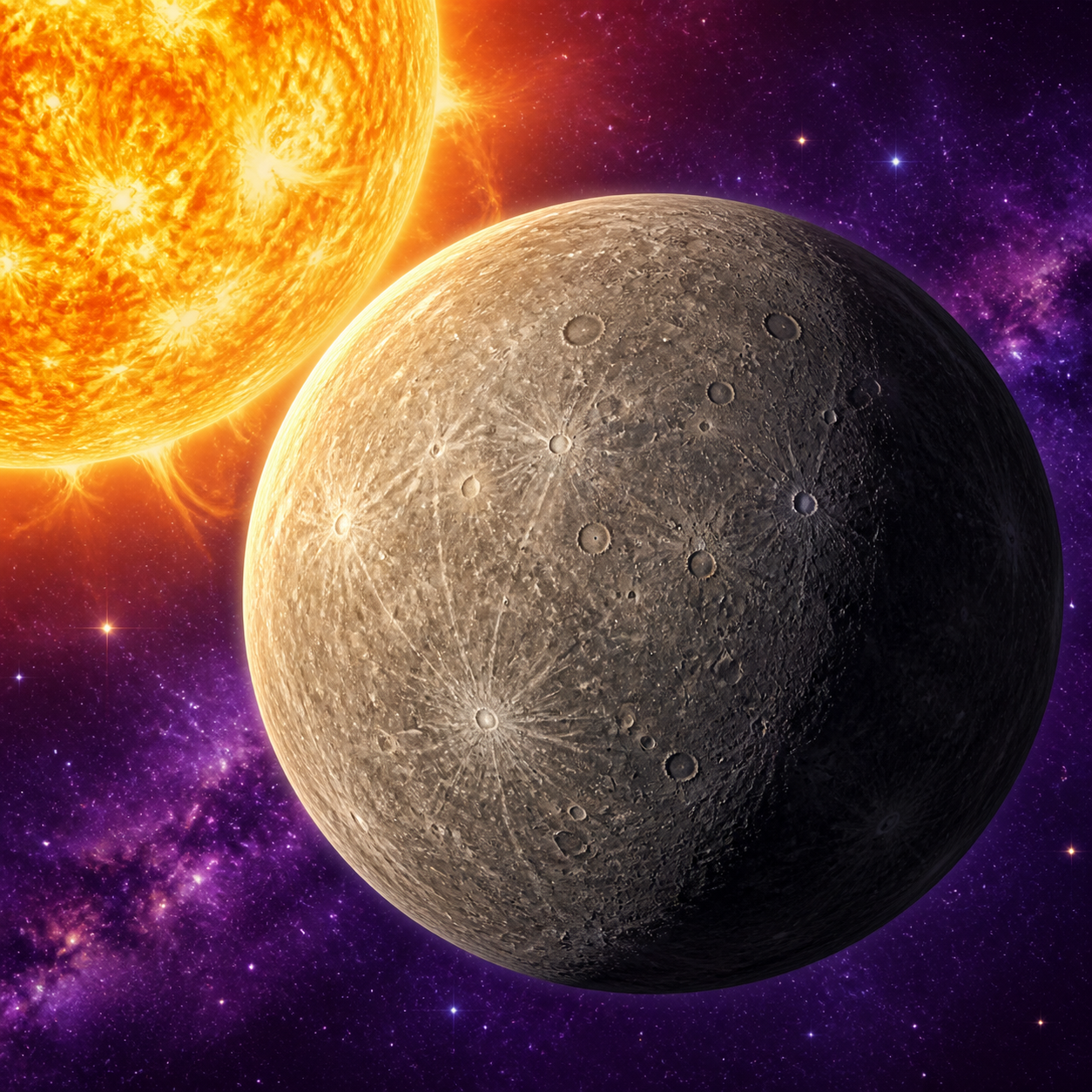
That gives Mercury the shortest year of any planet in our solar system.
Did you know?
- Fact 2: Mercury is the smallest planet and the closest planet to the Sun.
- Fact 3: A complete day-night cycle on Mercury lasts 176 Earth days.
- Fact 4: Mercury has no moons and no rings.
Discovery 02
Venus
The hottest planet
💡 Venus is hotter than Mercury even though Mercury is closer to the Sun!
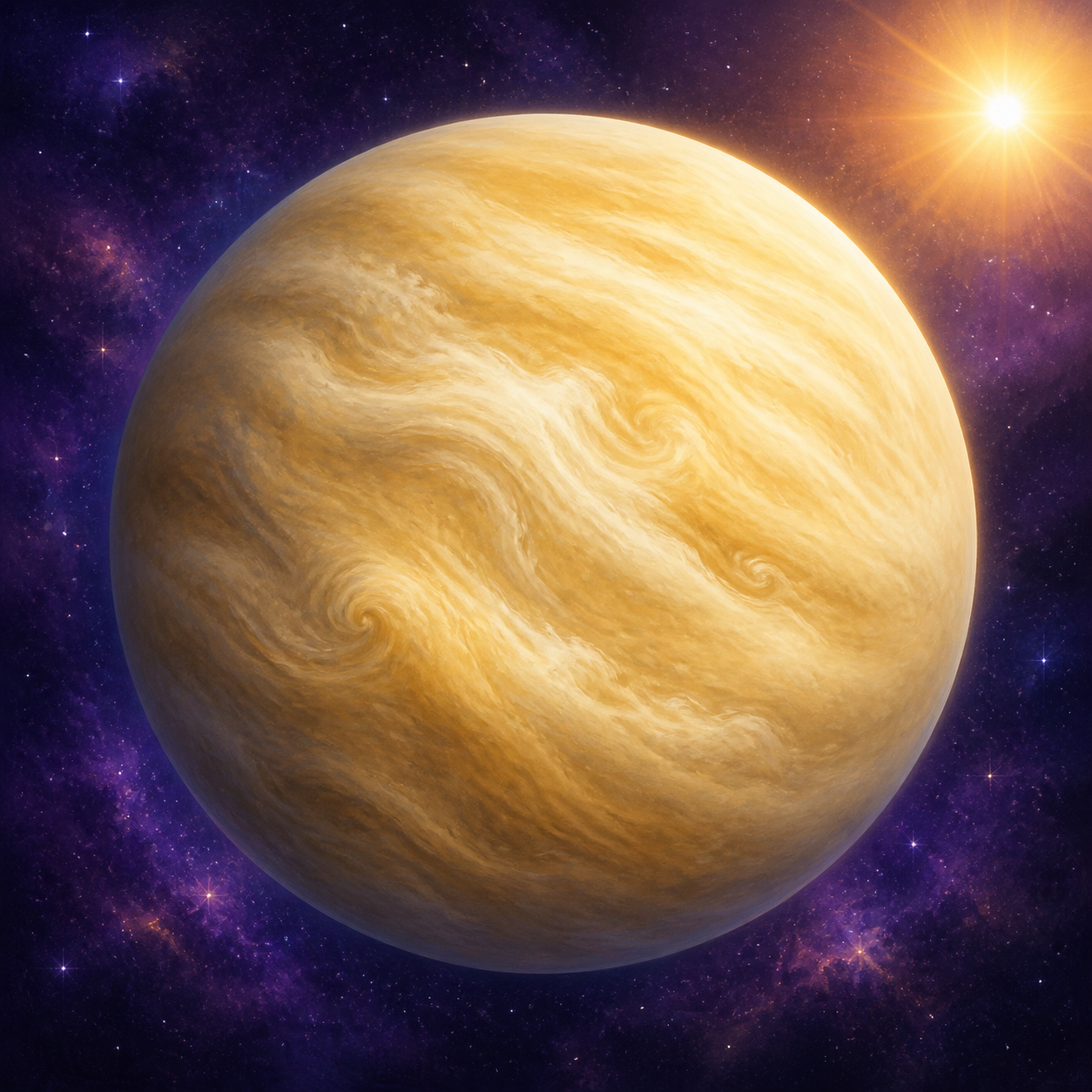
Venus's thick carbon-dioxide atmosphere traps heat, raising the surface temperature to about 467°C.
Did you know?
- Fact 2: Venus is nearly the same size as Earth.
- Fact 3: Venus spins backward compared with most planets, so the Sun would rise in the west.
- Fact 4: One rotation of Venus takes 243 Earth days — longer than its 225-day year.
Discovery 03
Earth
Our ocean-covered home
💡 Earth is the only world known to have life!
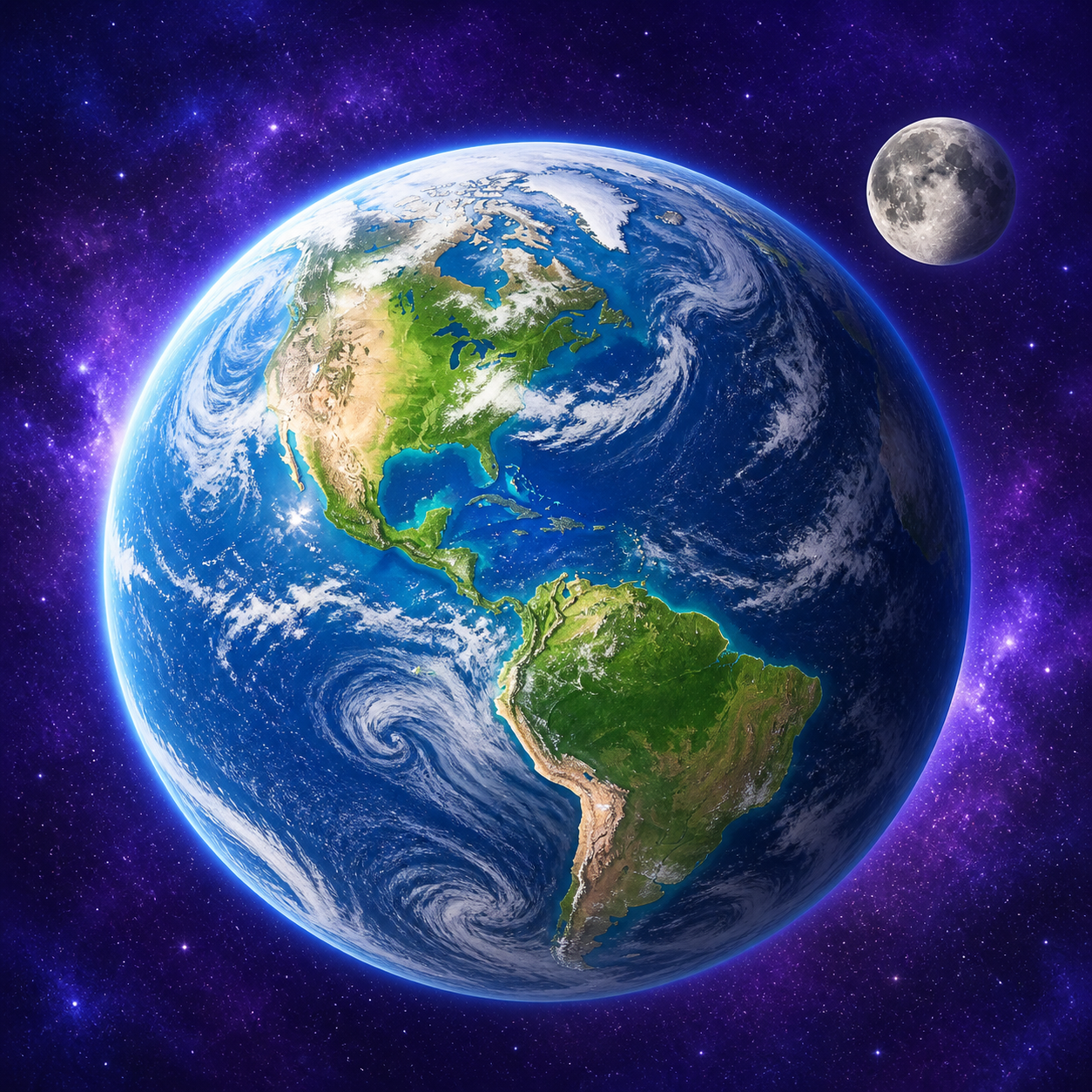
Scientists keep searching elsewhere, but so far Earth is the only place where life has been confirmed.
Did you know?
- Fact 2: Earth's global ocean covers about 71% of its surface.
- Fact 3: Earth's atmosphere is about 78% nitrogen and 21% oxygen.
- Fact 4: Earth has one natural moon and no rings.
Discovery 04
Mars
The rusty red planet
💡 Mars has the largest volcano in the solar system!
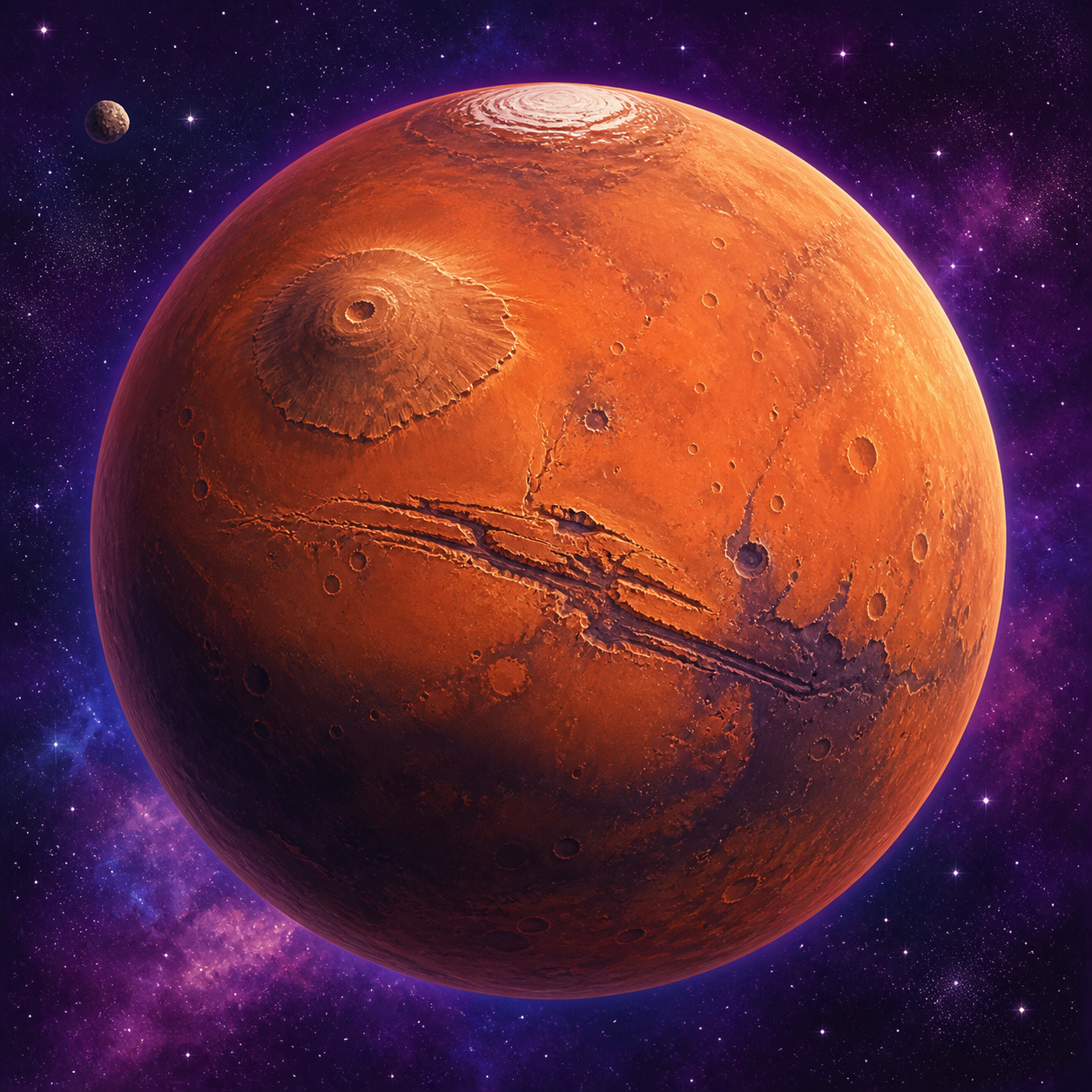
Olympus Mons rises more than 40 kilometres from base to summit.
Did you know?
- Fact 2: Mars looks red because iron minerals in its rocks and dust have oxidized — a process like rusting.
- Fact 3: A Martian year lasts 687 Earth days.
- Fact 4: Mars has two small moons, Phobos and Deimos.
Discovery 05
Jupiter
The giant with a famous storm
💡 Jupiter is more than twice as massive as all the other planets combined!
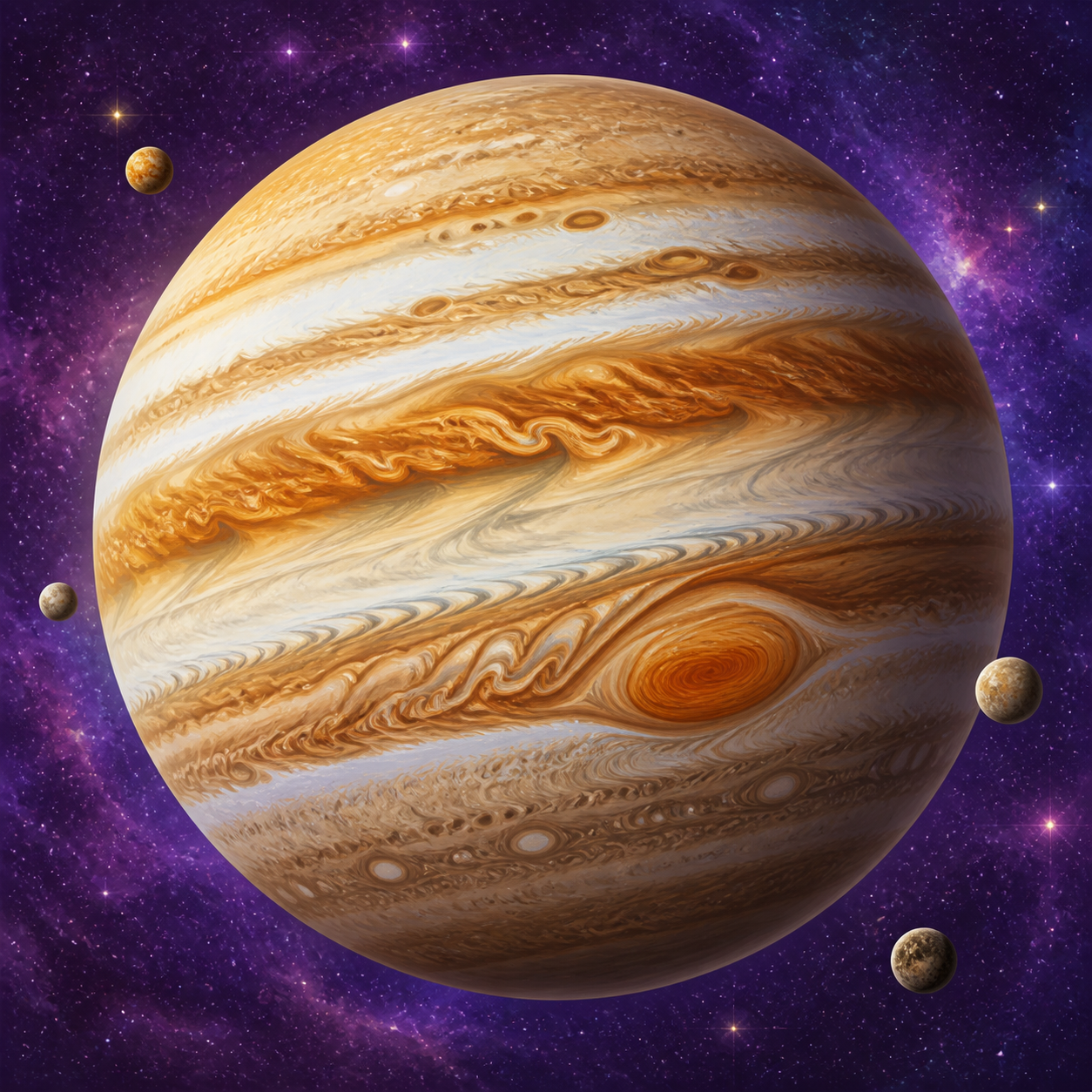
It is the biggest planet in our solar system and is made mostly of hydrogen and helium.
Did you know?
- Fact 2: Jupiter has the shortest day of any planet, spinning once in about 9.9 hours.
- Fact 3: The Great Red Spot is a giant storm that has been observed for more than 300 years.
- Fact 4: Jupiter has no true solid surface; its gases become denser and hotter deeper down.
Discovery 06
Saturn
The giant wrapped in icy rings
💡 Saturn's rings are made of countless pieces of ice and rock!
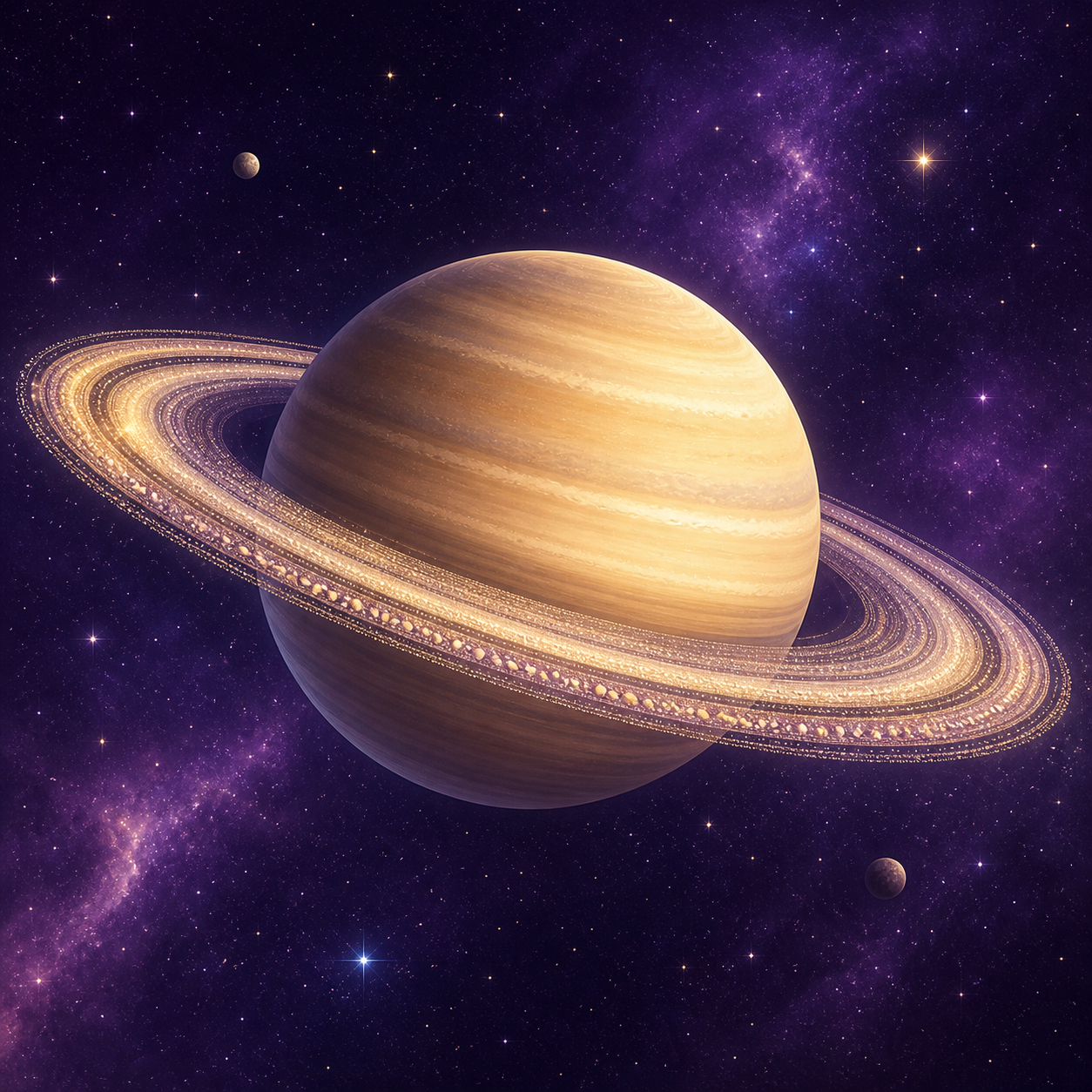
The pieces range from tiny grains to house-sized chunks, and each one orbits Saturn.
Did you know?
- Fact 2: Saturn is the second-largest planet in our solar system.
- Fact 3: A day on Saturn lasts only about 10.7 hours.
- Fact 4: Saturn is the only planet whose average density is lower than water's density.
Discovery 07
Uranus
The planet that rolls around the Sun
💡 Uranus spins almost completely on its side!
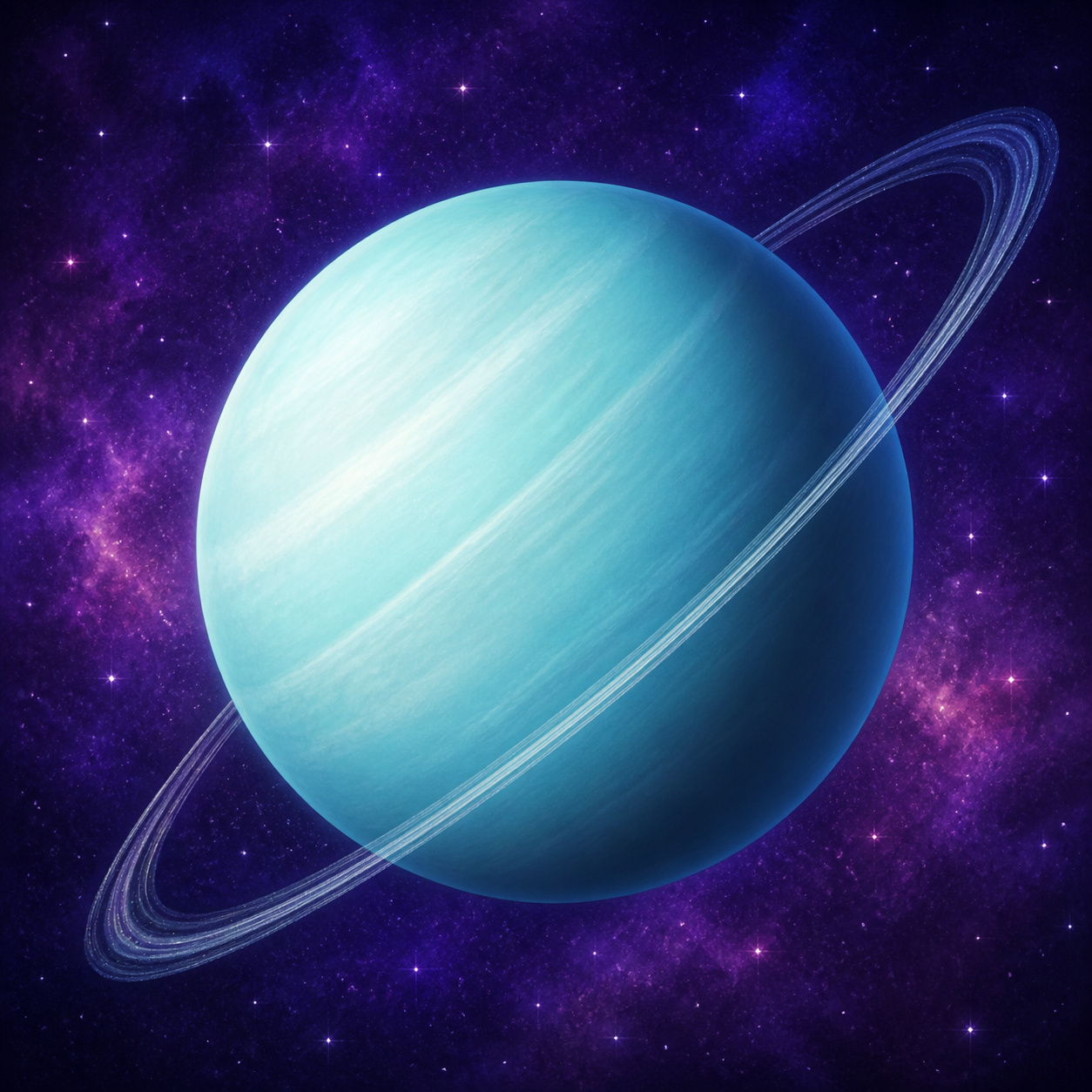
Its axis is tilted about 98 degrees, making the planet look like a rolling ball as it orbits.
Did you know?
- Fact 2: Uranus is an ice giant about four times wider than Earth.
- Fact 3: It was the first planet discovered with the help of a telescope, in 1781.
- Fact 4: Methane gas in its atmosphere helps give Uranus its blue-green colour.
Discovery 08
Neptune
The windy blue world
💡 Neptune takes about 165 Earth years to orbit the Sun once!
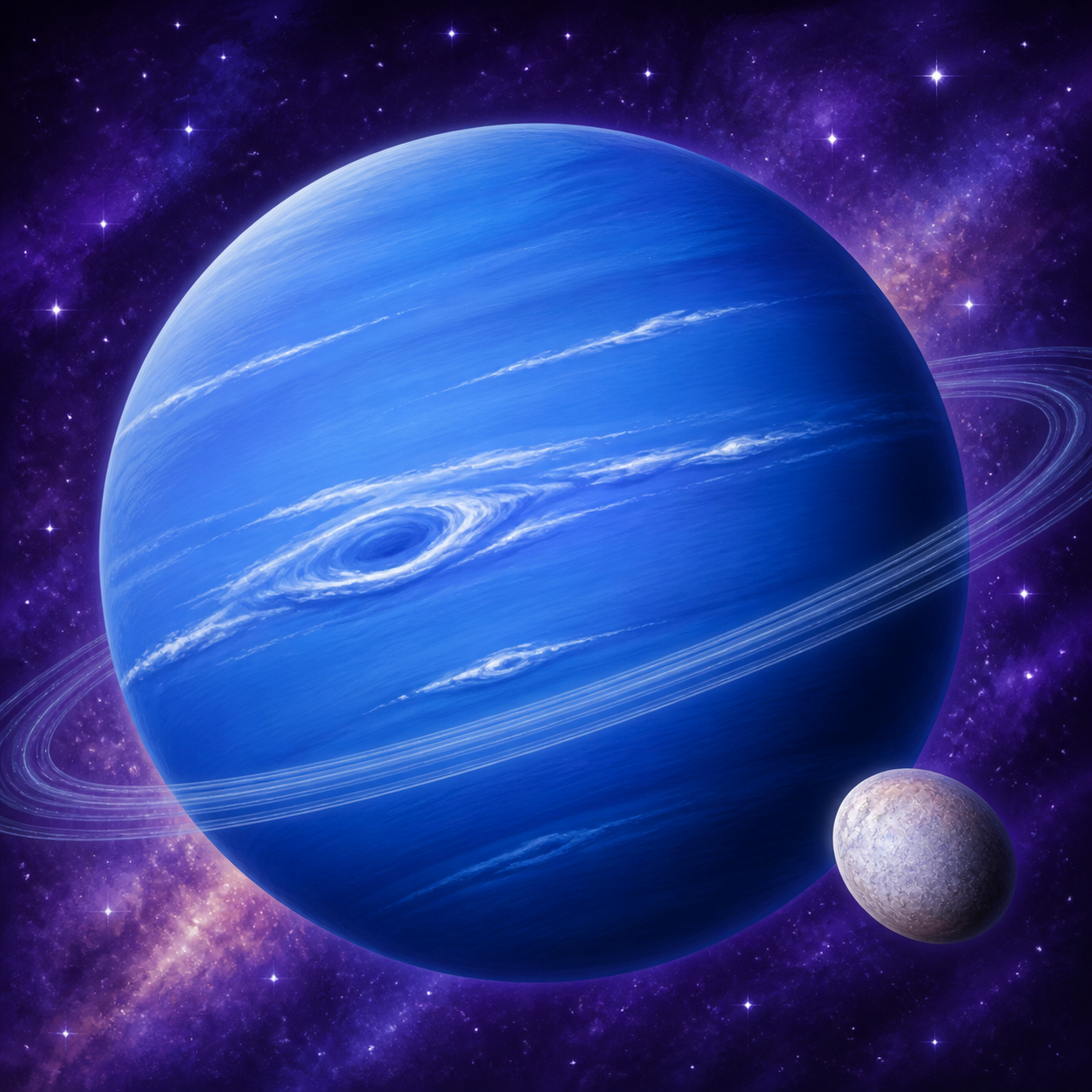
Its year is so long that each season lasts for more than 40 Earth years.
Did you know?
- Fact 2: A day on Neptune lasts about 16 hours.
- Fact 3: Neptune has at least five main rings.
- Fact 4: Its largest moon, Triton, orbits backward compared with Neptune’s rotation.
Discovery 09
Pluto (Dwarf Planet)
The world once called the ninth planet
💡 Pluto is a dwarf planet, not one of the eight planets!
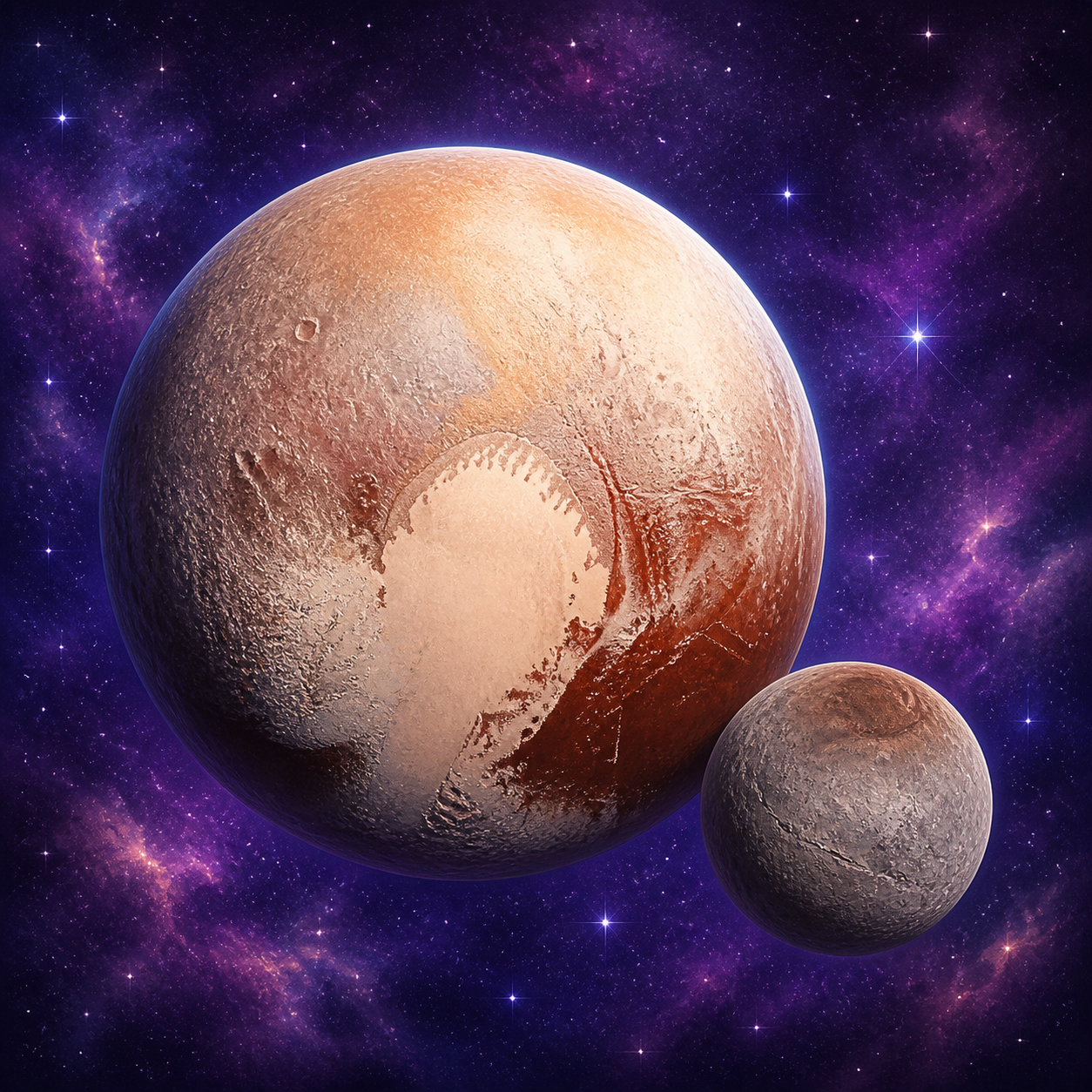
The International Astronomical Union reclassified Pluto in 2006 because it has not cleared other objects from its orbital neighbourhood.
Did you know?
- Fact 2: Pluto lies in the distant Kuiper Belt beyond Neptune.
- Fact 3: NASA’s New Horizons spacecraft made the first close flyby of Pluto in 2015.
- Fact 4: Pluto has five known moons, and its largest moon is called Charon.